History – From Arita to the World
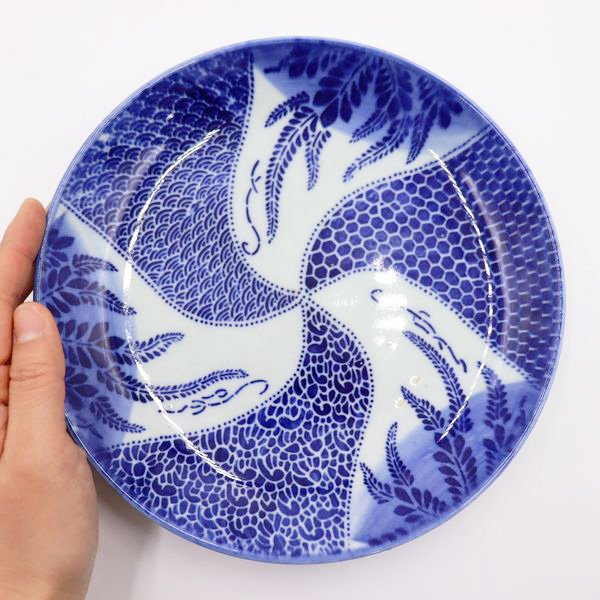
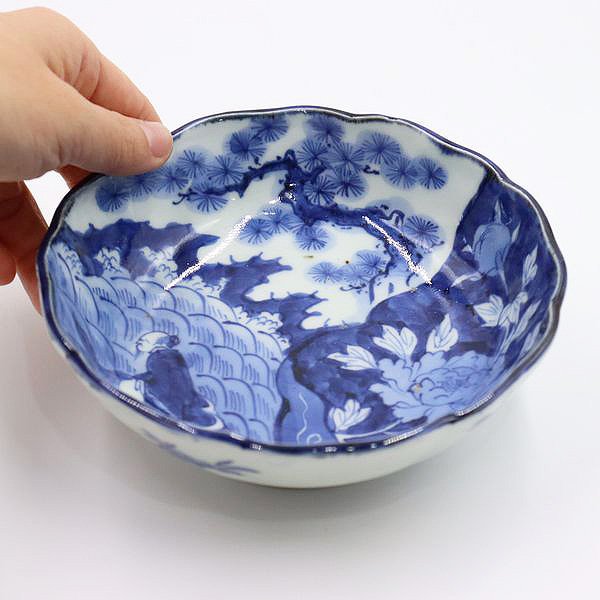
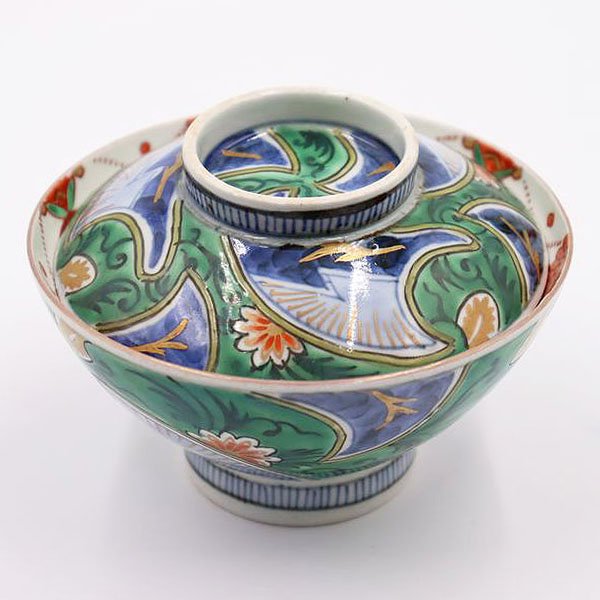
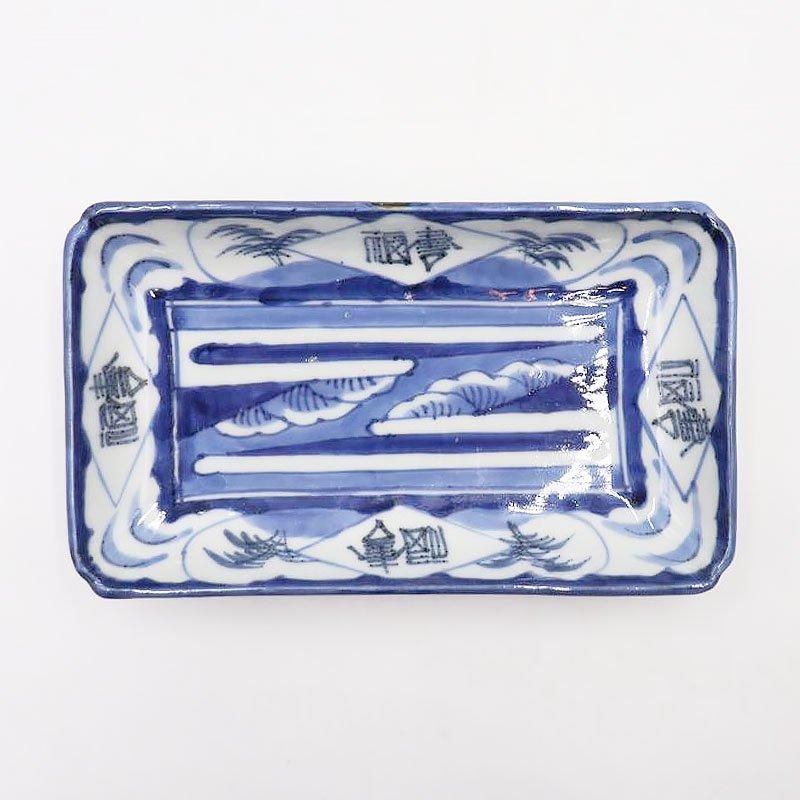
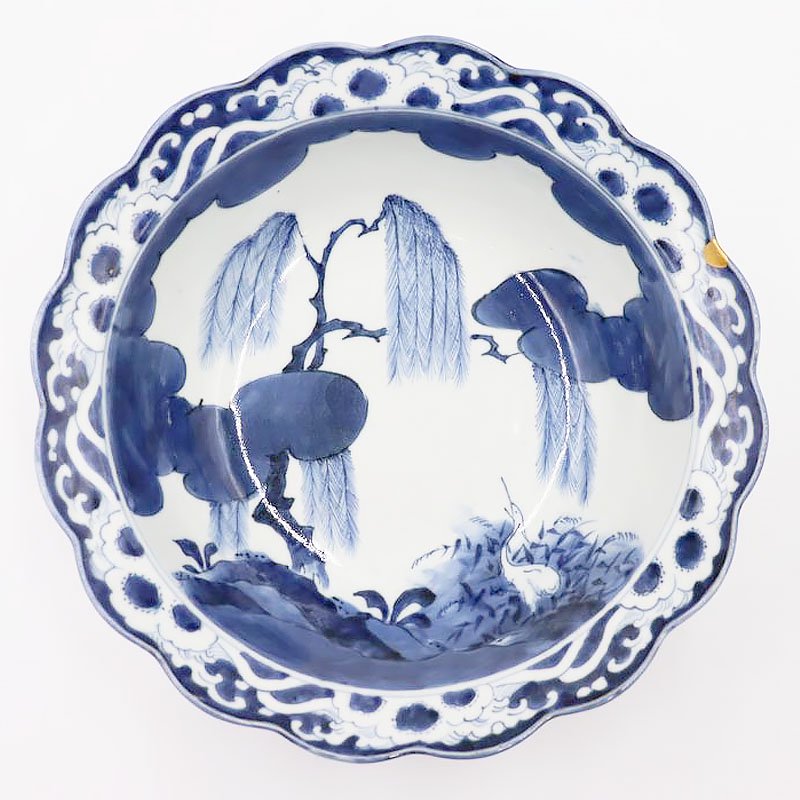
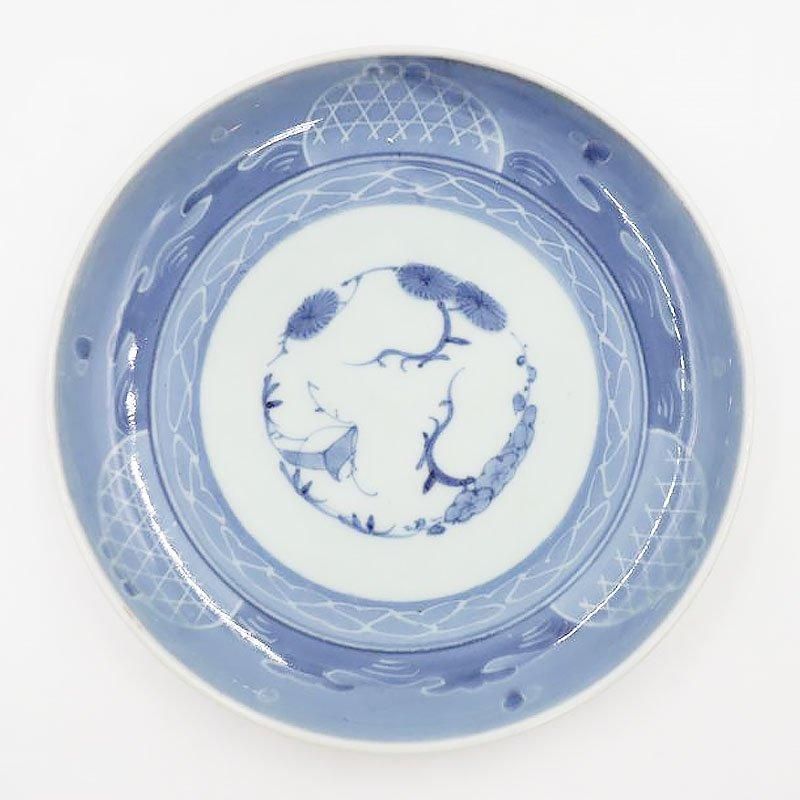
Early Imari pieces were simple blue-and-white porcelain, later evolving into richly colored Kakiemon, Kinrande, and Nabeshima styles that captivated European courts and inspired Meissen porcelain.


ブルーパロット京都|アンティーク家具・食器の専門店|引取・修理・金継ぎ
Born in the 17th century in Saga Prefecture, Imari ware embodies the harmony of white porcelain and delicate painting — a craft that continues to fascinate the world today.
Early Imari pieces were simple blue-and-white porcelain, later evolving into richly colored Kakiemon, Kinrande, and Nabeshima styles that captivated European courts and inspired Meissen porcelain.

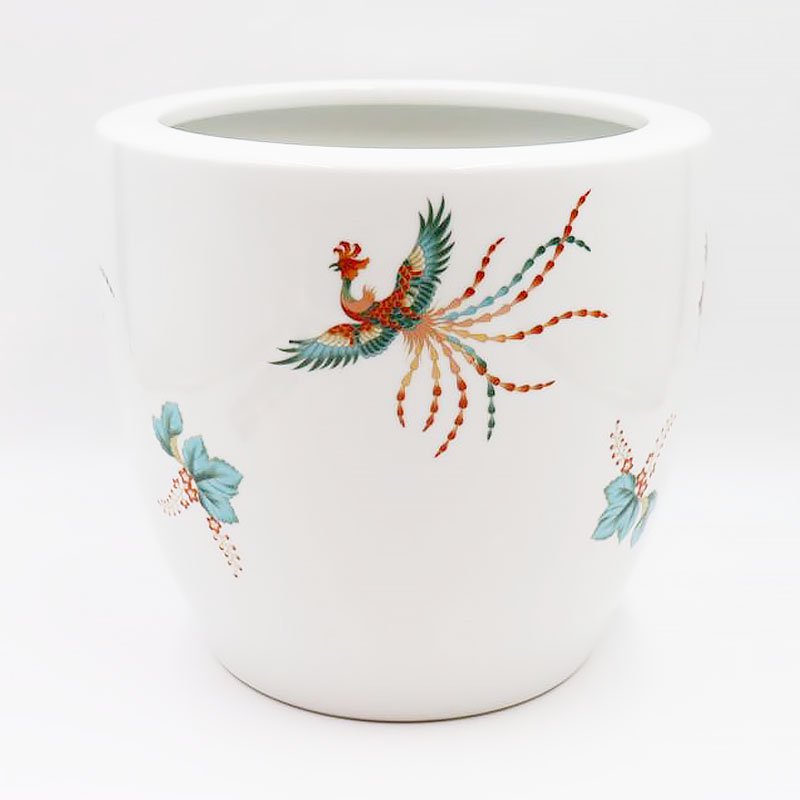
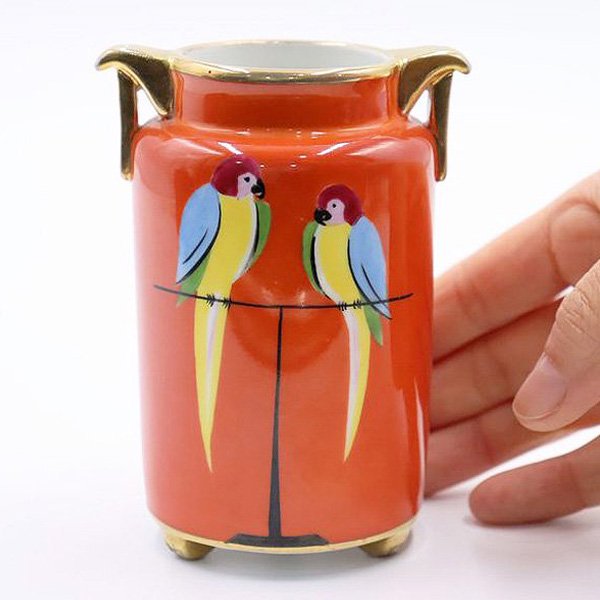
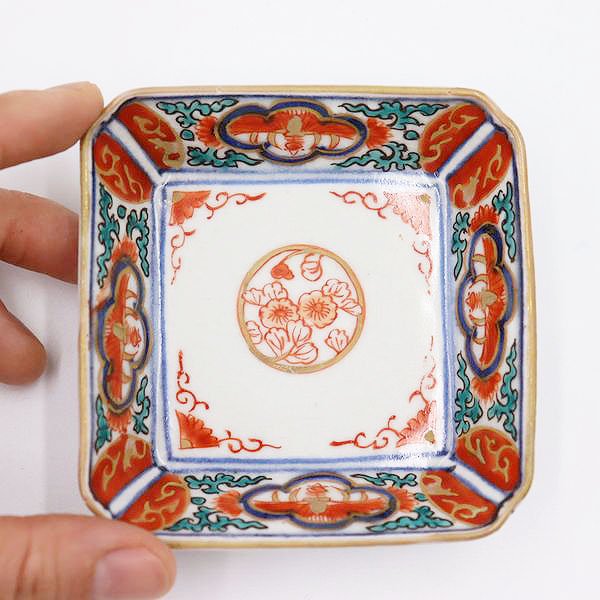
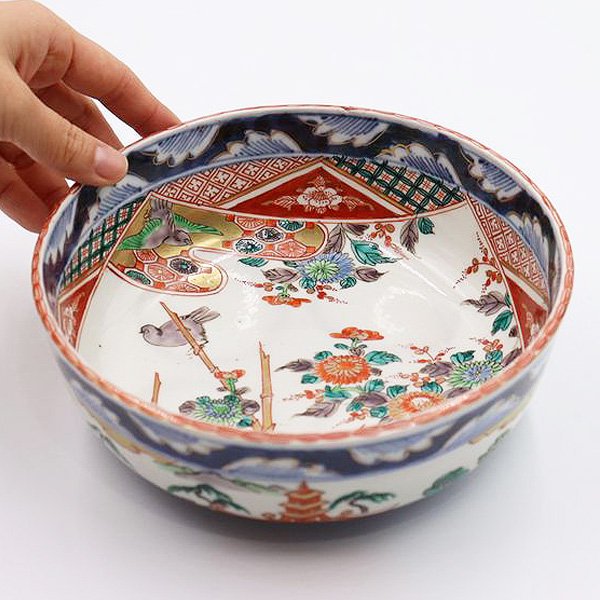
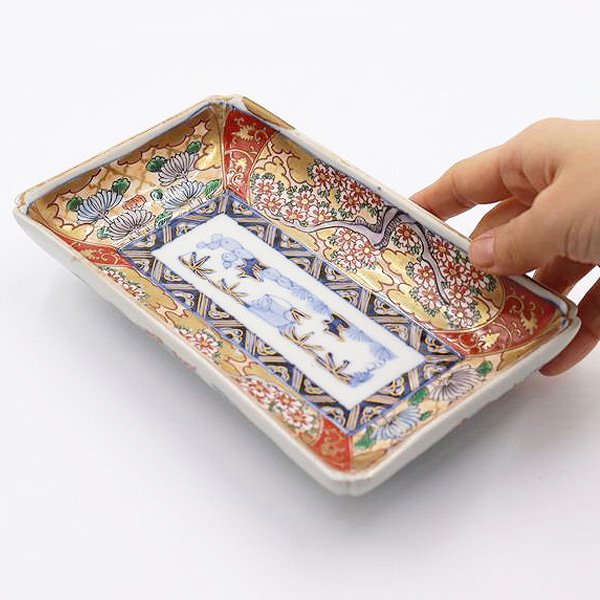
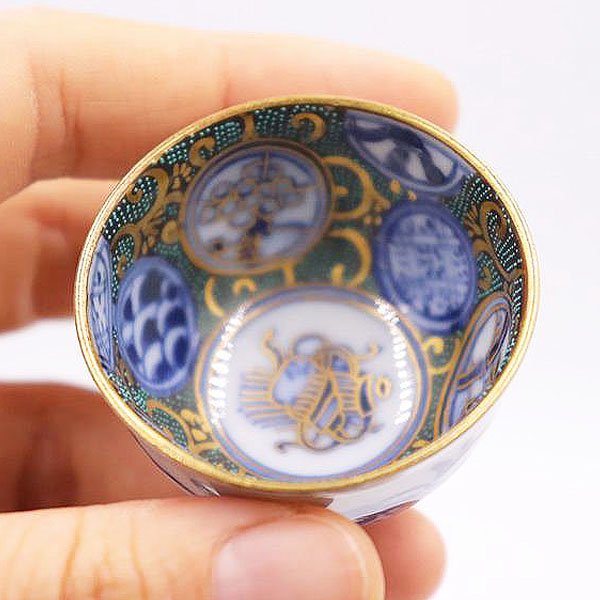
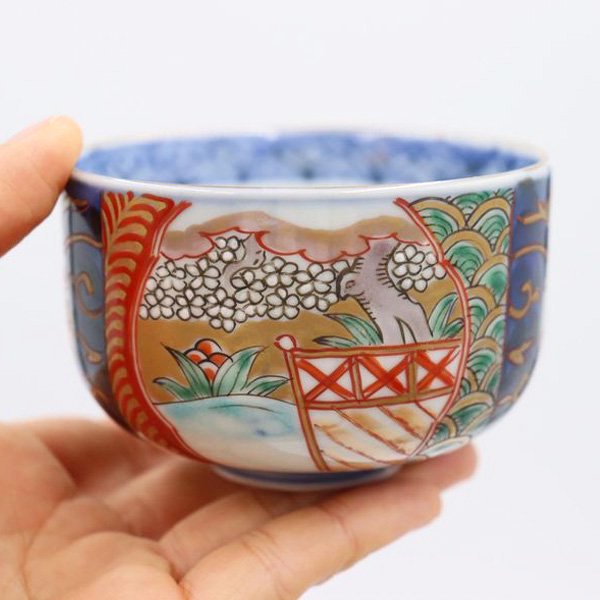
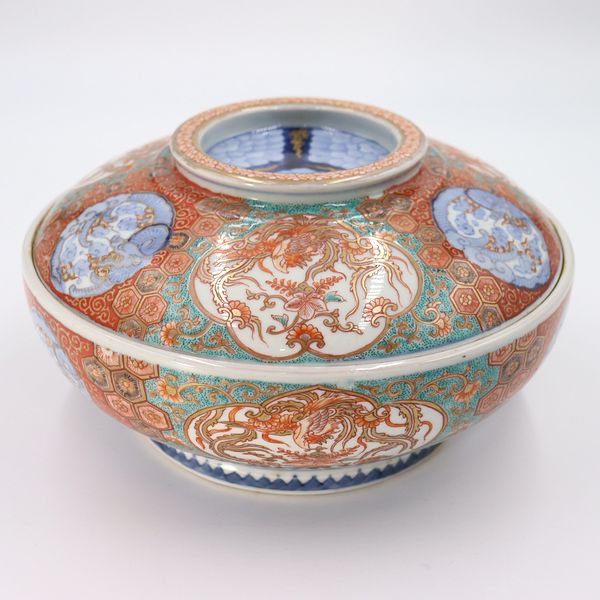
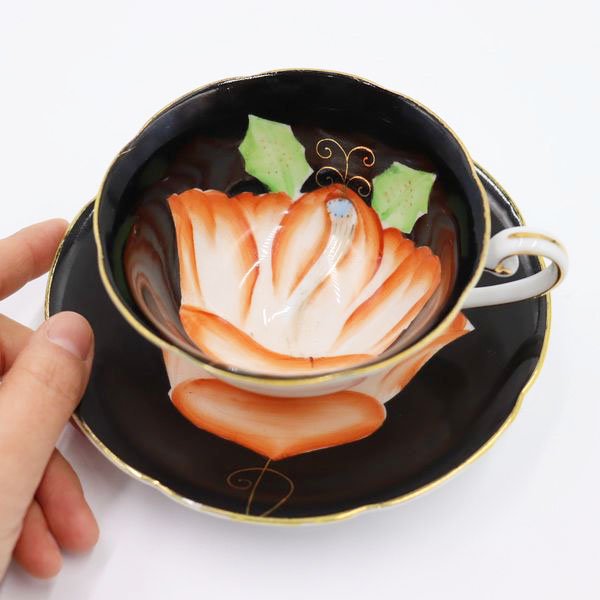
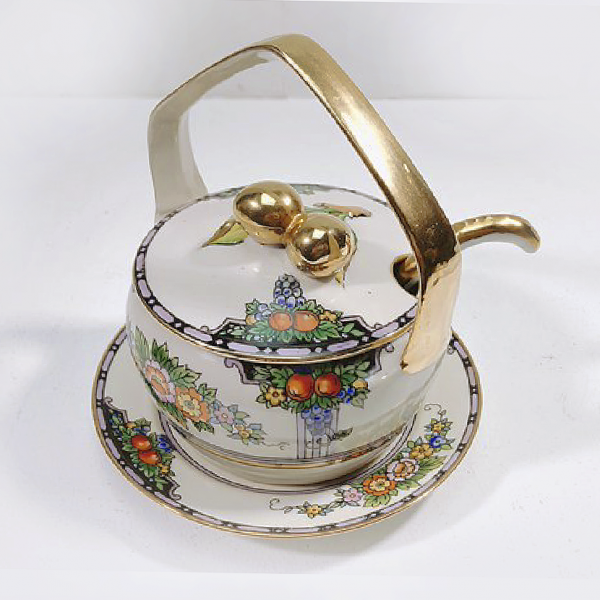
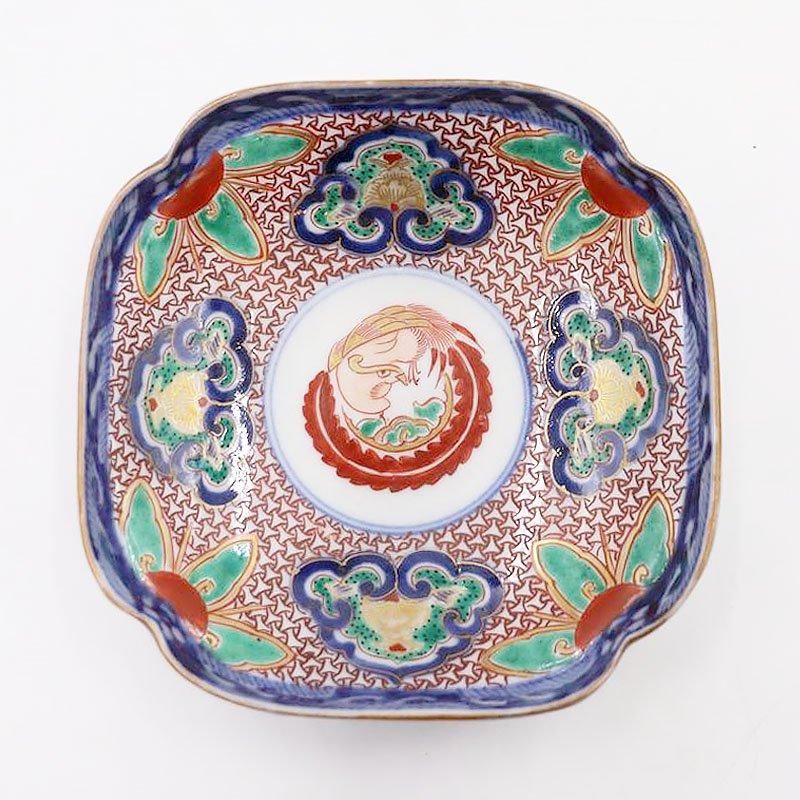
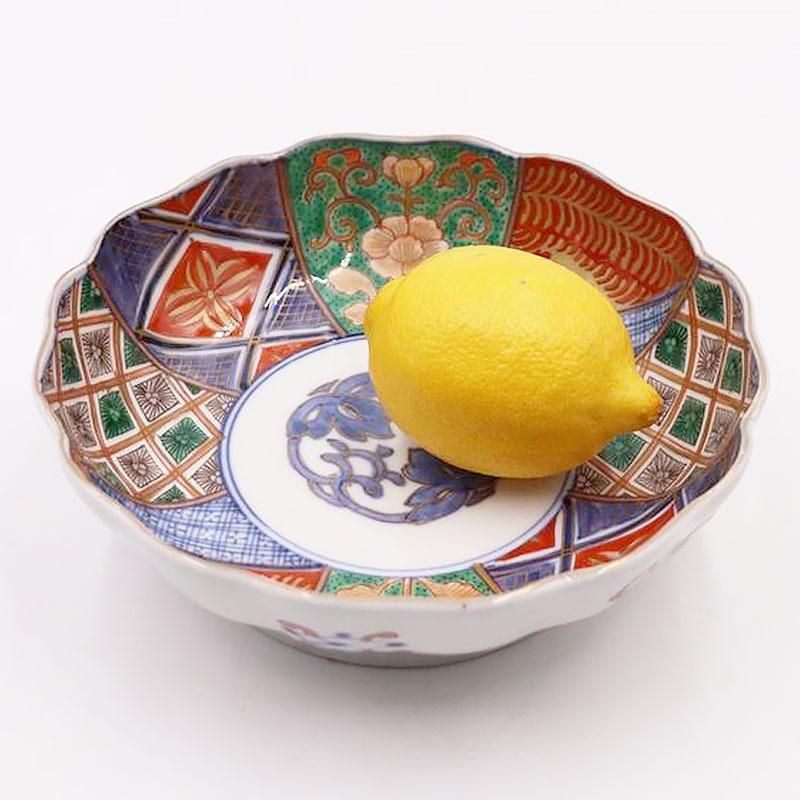
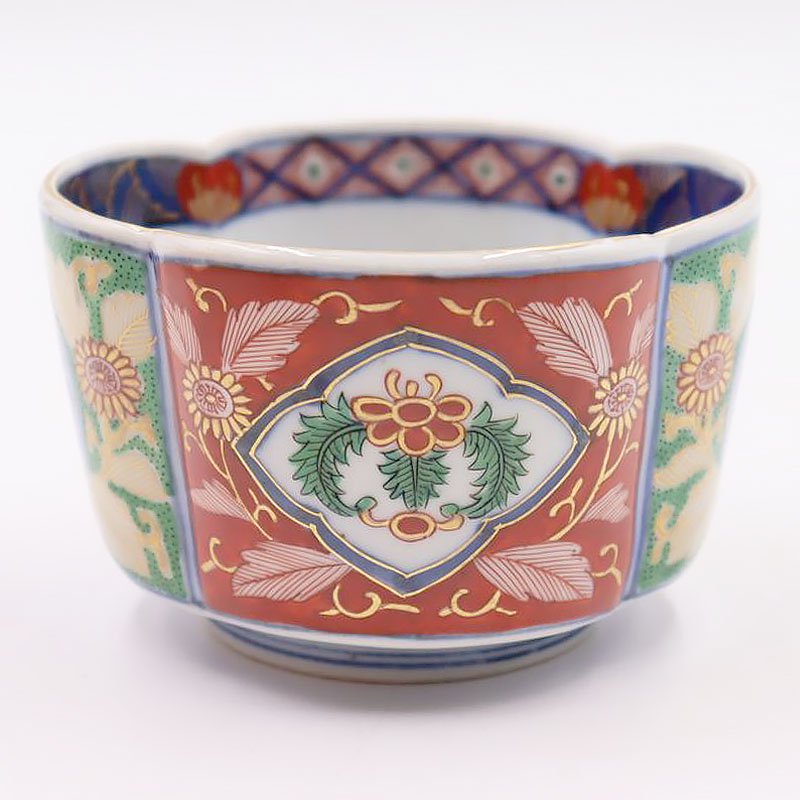
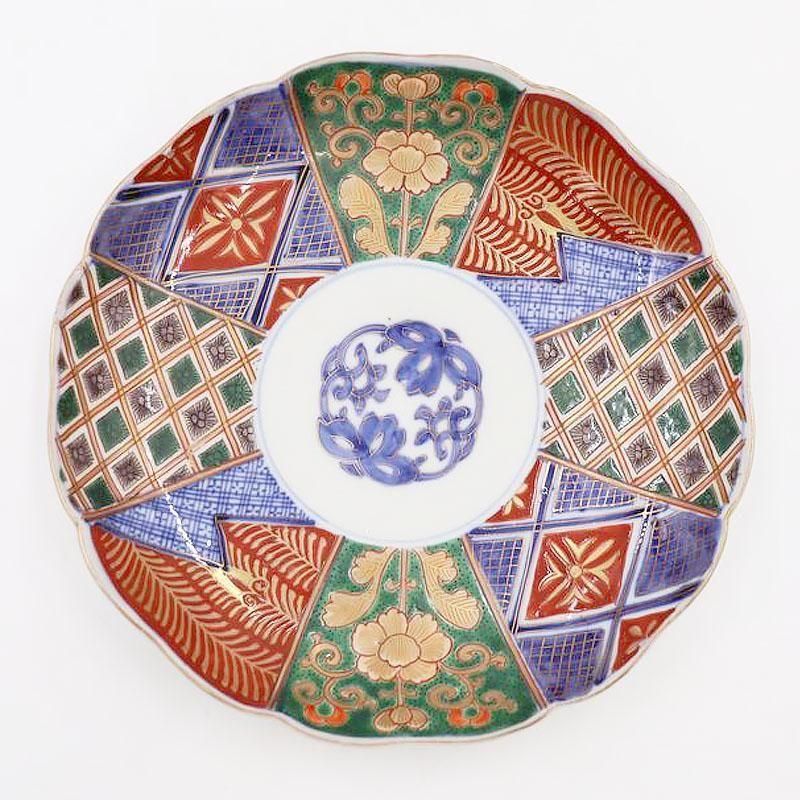
Admire the soft translucency of white porcelain and the vivid overglaze of red and gold. Each era introduced new motifs — floral, avian, or auspicious — expressing refined Japanese aesthetics.

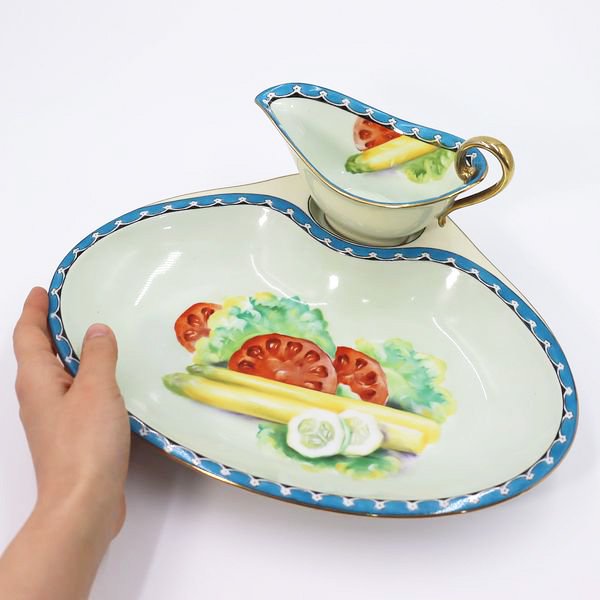
Small plates and cups fit easily into daily meals, while vases and large dishes create stunning interior accents. Choose well-preserved pieces for use, or collect by period and craftsmanship.

Imari ware reflects centuries of artistry and innovation. Each piece tells a story of Japanese beauty cherished across generations.
View current collection: Japanese Ceramics – Imari, Plates, and Tea Ware
Imari ware refers to porcelain made around Arita and Imari in Saga Prefecture since the early 1600s. Known for its fine white base and elegant painted motifs, it was exported widely as “Imari porcelain.”
Look for balance in design, the quality of the glaze, the shape of the foot and rim, and any marks on the base. Knowledge of stylistic periods such as Early Imari, Kakiemon, and Kinrande also helps.
Age, condition, provenance, and artistic detail all matter. Pieces from the Edo period, especially large plates or vases with fine brushwork and intact gilding, are highly prized.
Hand-wash gently using a soft sponge and mild detergent. Avoid sudden temperature changes. Gold and red overglaze decorations are delicate — dry and store each piece wrapped in soft paper or cloth.
Know your purpose: daily use or collection. Examine photos carefully for condition and craftsmanship. Prefer reputable sellers who provide details about origin and restoration.
Explore the full lineup: Japanese Pottery & Porcelain
Selected comments from customers who have welcomed Imari ware into their homes.
Small plates and soba cups bring beauty to daily dining — the contrast of white and indigo photographs beautifully.
Our Ko-Imari dishes have elegant footrings and a handmade feel. Each curve adds character.
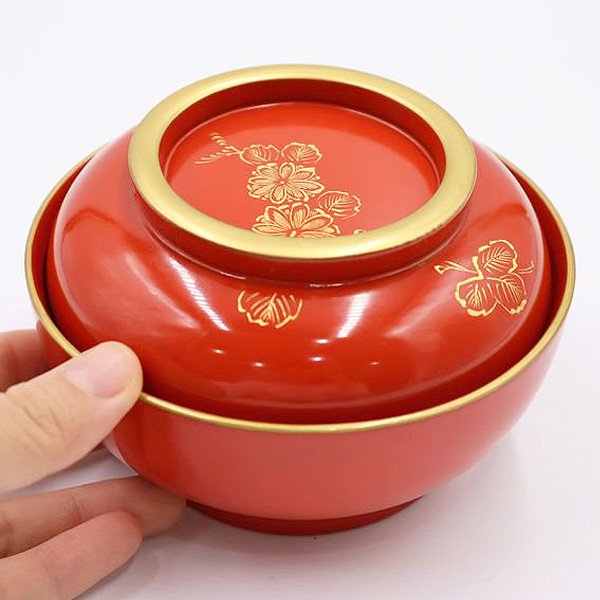
Red-and-gold bowls shine under natural light — perfect as decorative plates.
The mid-sized plates suit both Japanese and Western tables, making entertaining easier.
Blue-and-white pieces show care even in unseen parts like the inner base — we felt confident buying from an expert shop.
We use small dishes as chopstick rests or for snacks — practical and charming.
Last updated: 2025-11-11




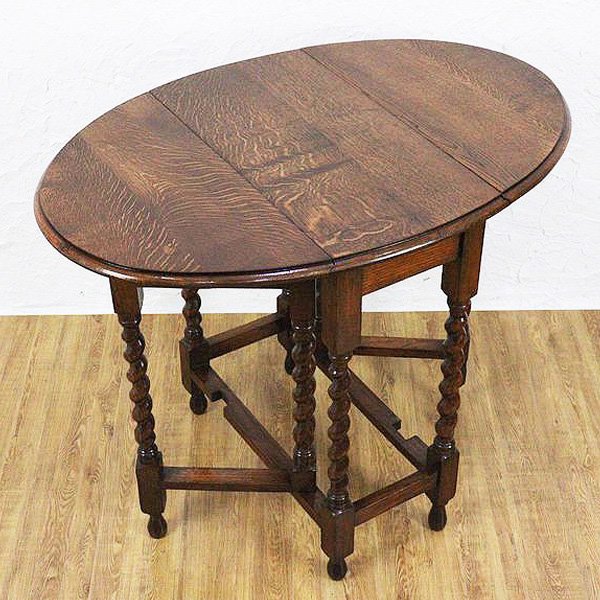
テーブル・デスク・机
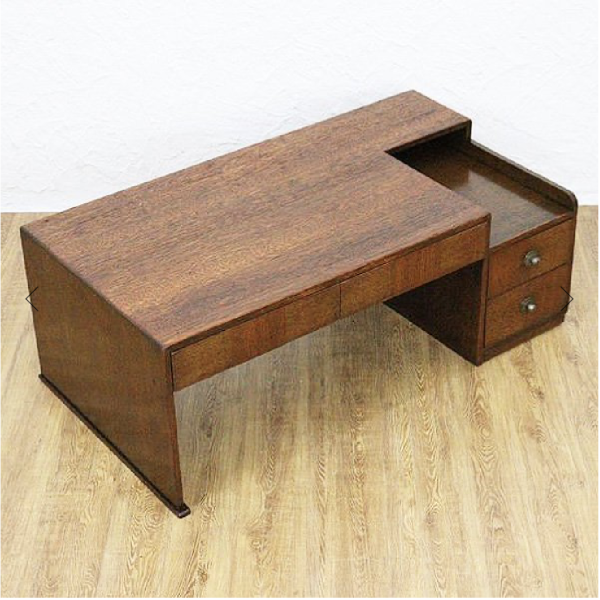
座机・文机・ちゃぶ台
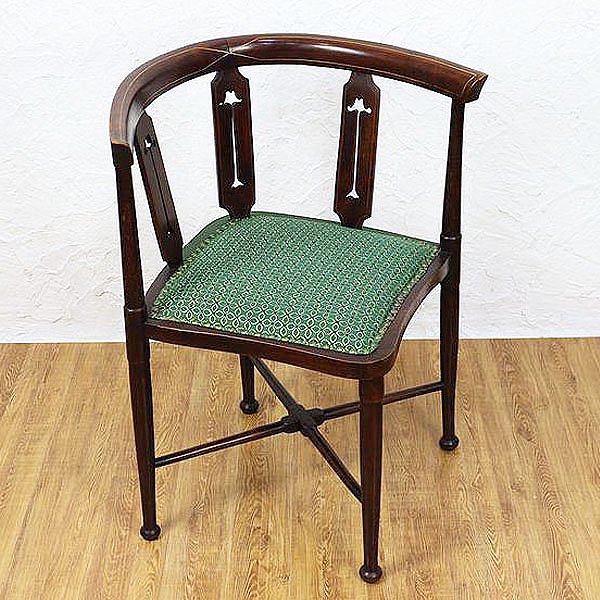
チェア・椅子・ベンチ・ソファ
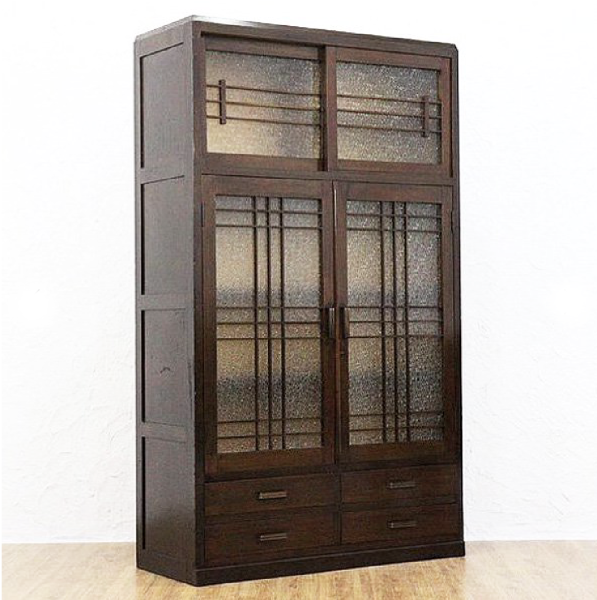
本箱・本棚
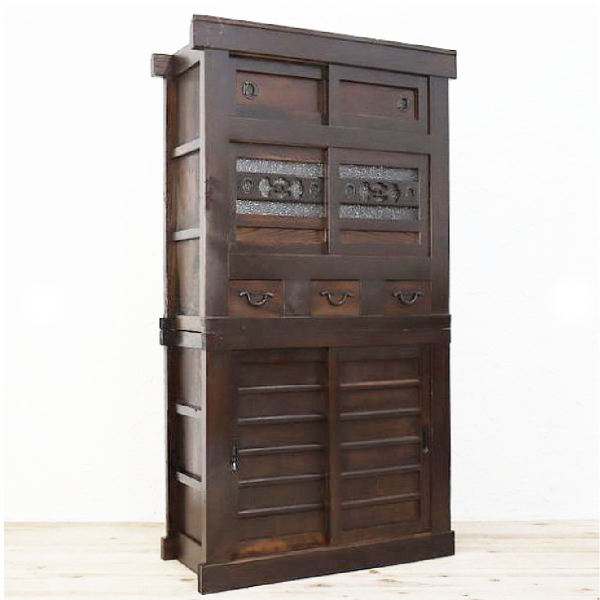
食器棚・膳棚・水屋
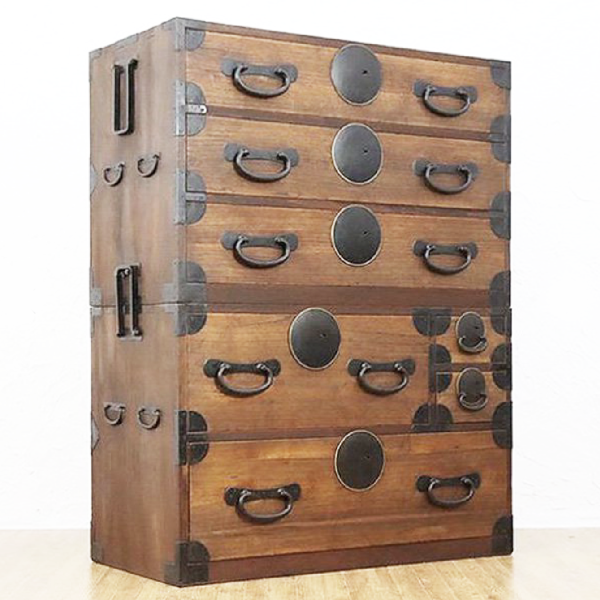
和箪笥・和風キャビネット
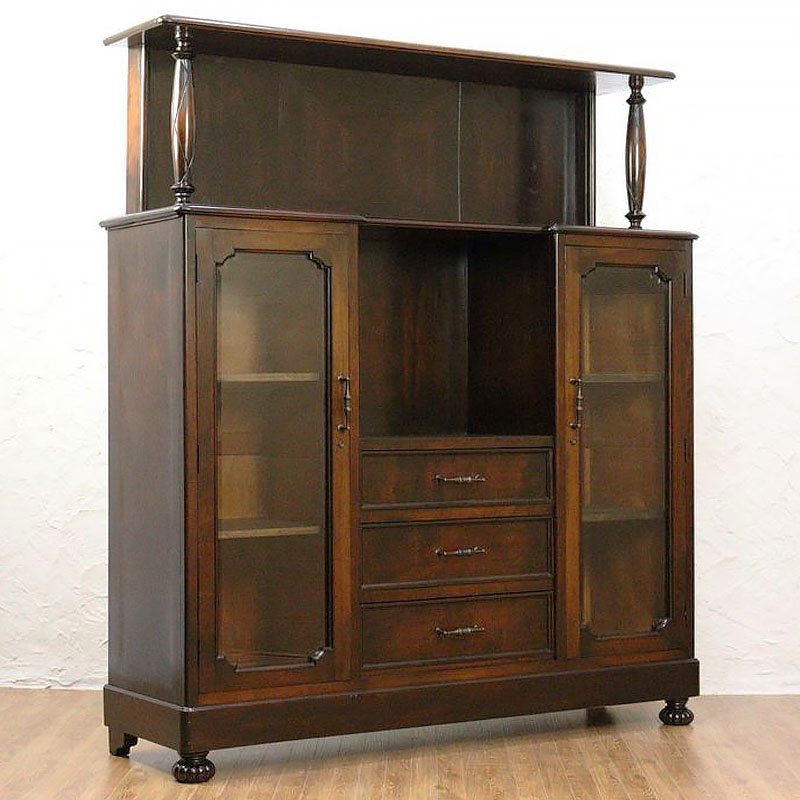
洋風キャビネット
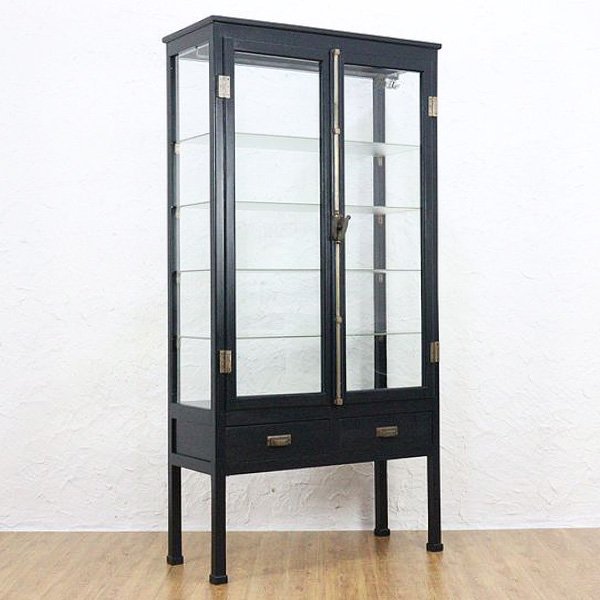
コレクションケース・飾り棚
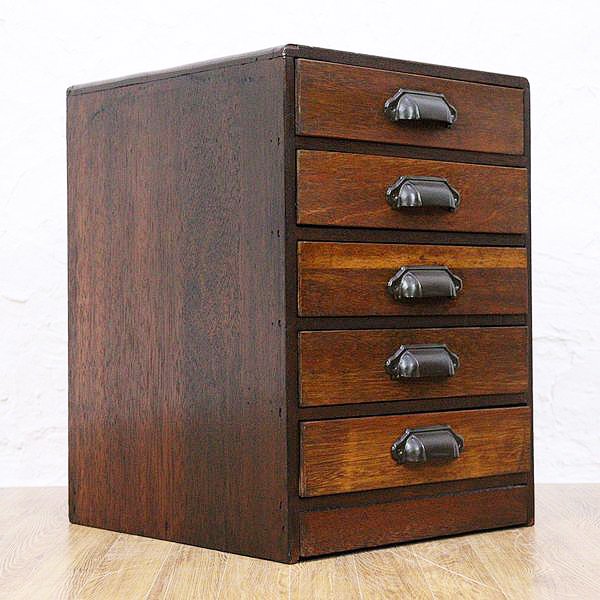
小引出し・箱・本立て
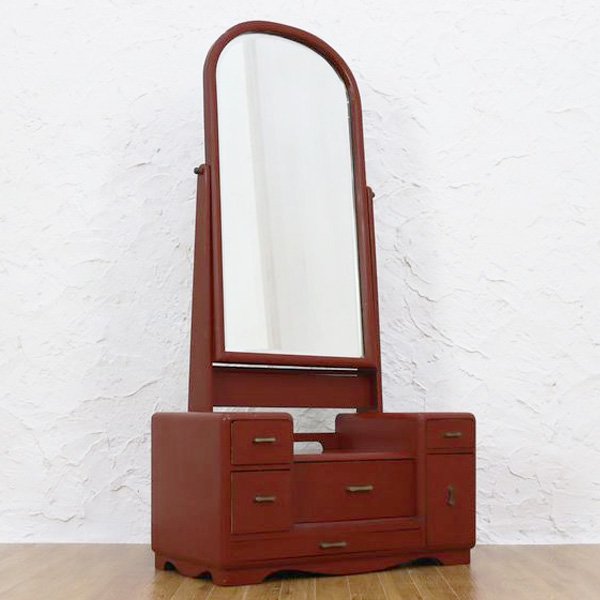
姿見・鏡台・ウォールミラー
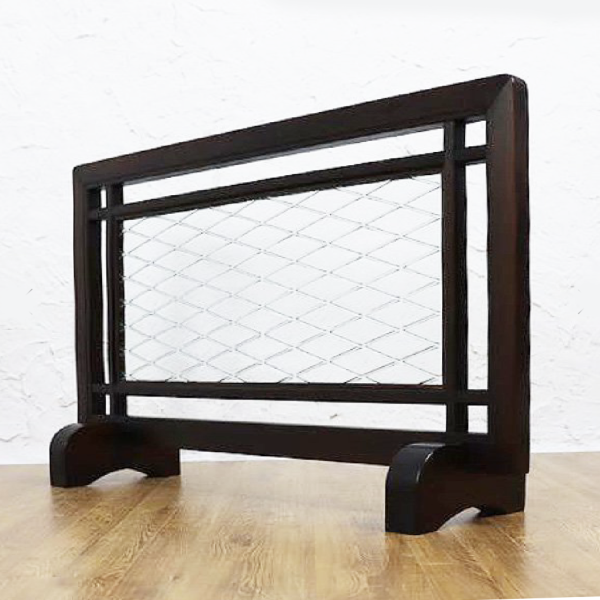
屏風・衝立・パーテーション

ドア・戸・建具
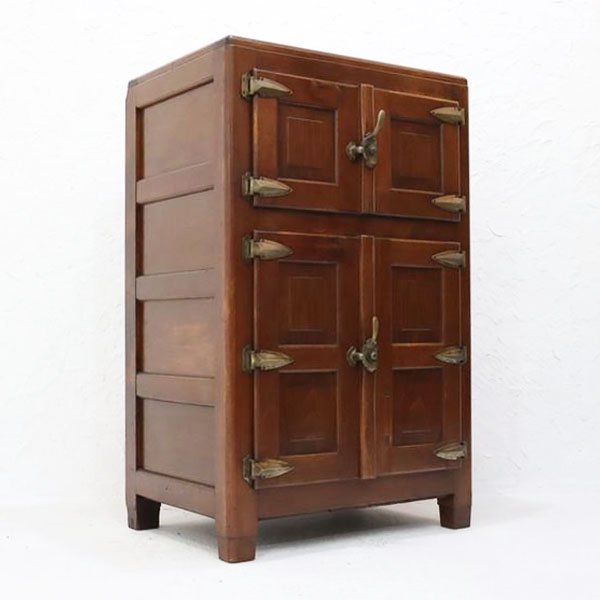
その他
| 日 | 月 | 火 | 水 | 木 | 金 | 土 |
|---|---|---|---|---|---|---|
| 1 | ||||||
| 2 | 3 | 4 | 5 | 6 | 7 | 8 |
| 9 | 10 | 11 | 12 | 13 | 14 | 15 |
| 16 | 17 | 18 | 19 | 20 | 21 | 22 |
| 23 | 24 | 25 | 26 | 27 | 28 | 29 |
| 30 | 31 |
| 日 | 月 | 火 | 水 | 木 | 金 | 土 |
|---|---|---|---|---|---|---|
| 1 | 2 | 3 | 4 | 5 | ||
| 6 | 7 | 8 | 9 | 10 | 11 | 12 |
| 13 | 14 | 15 | 16 | 17 | 18 | 19 |
| 20 | 21 | 22 | 23 | 24 | 25 | 26 |
| 27 | 28 | 29 | 30 |