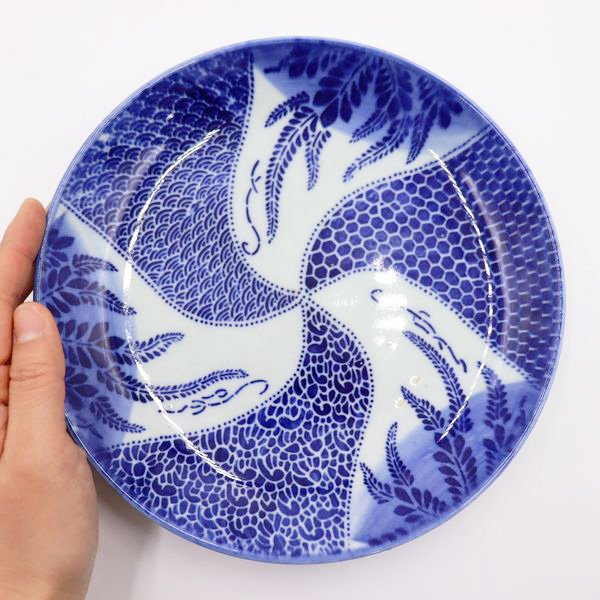
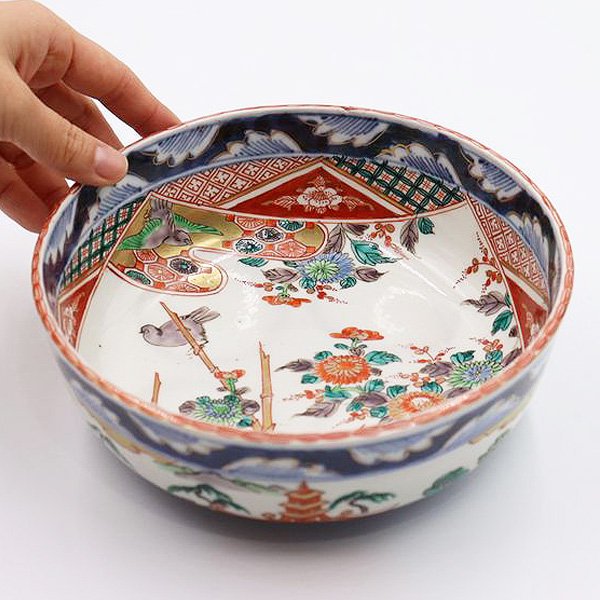
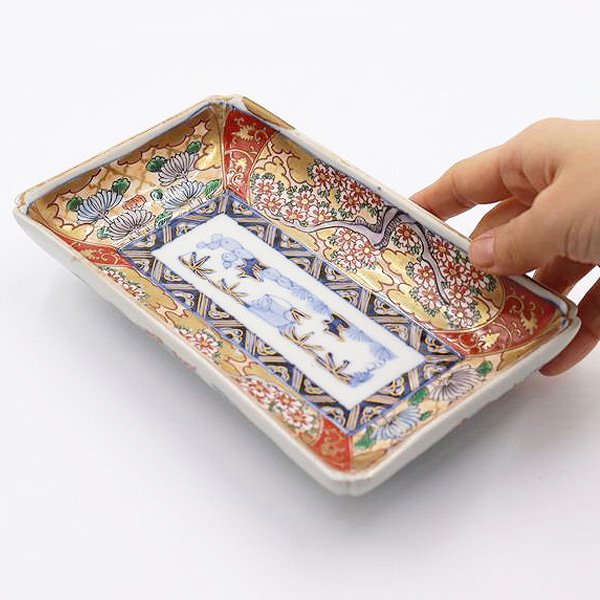
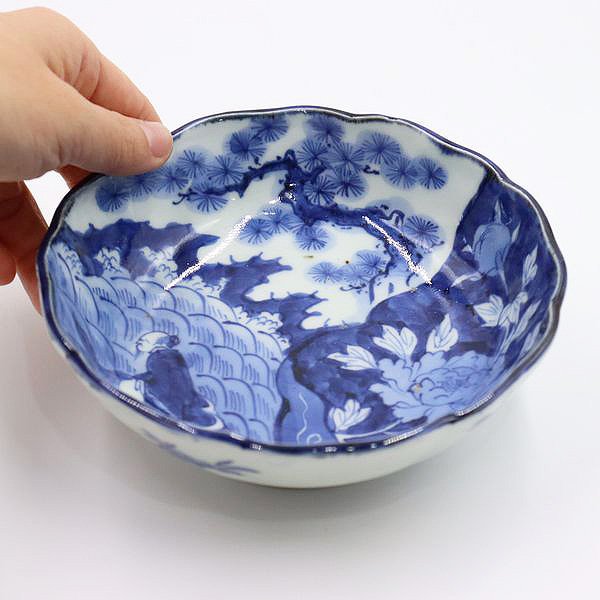
オールドノリタケ|刻印と歴史について
江戸時代末からの創業者の努力から始まり、明治37年からは国内需要だけでなく輸出により本格的に栄えたノリタケカンパニーリミテド(旧 日本陶器)。

ブルーパロット京都|アンティーク家具・食器の専門店|引取・修理・金継ぎ
Old Noritake refers to high quality Japanese porcelain exported from the Meiji era to the early Showa era. This article introduces common back stamps, the history behind them, and how the pieces relate to Art Nouveau and Art Deco.
The story begins at the end of the Edo period. From 1904, the company now known as Noritake Company Limited, formerly Nihon Toki, grew not only in Japan but also through export.
By checking the back stamp on each piece, you can estimate the approximate production era.
Here we present several important Old Noritake marks. Whether you already own a piece or are looking for one, learning its era and origin adds to the enjoyment.

In the early export years, many goods from Japan did not clearly show the country of origin. Some pieces only showed the artisan or factory owner in kanji.
In 1890, the United States enacted the McKinley Tariff Act, which required imported goods to show the country of origin. As a result, export items from Japan began to use the word NIPPON rather than JAPAN from the following year.
Because NIPPON was designated instead of JAPAN, exporters used the NIPPON mark. This distinctive wording helps date a piece.
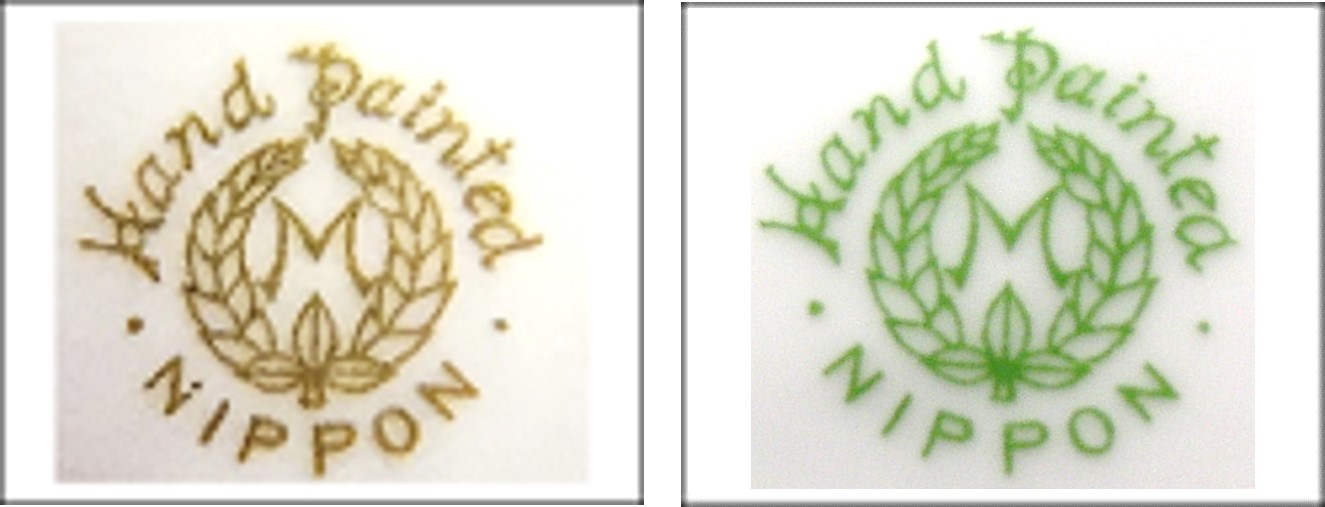
Circa 1910 to 1921, colors: green, blue, pink, gold
The NIPPON wording was accepted by United States customs for many years. In 1918, the U.S. Department of Commerce instructed importers to change the wording to JAPAN. The change took several years to become common.
Finding NIPPON on the back of a piece is a helpful clue to its age range.
Old Noritake items with the NIPPON mark often have well balanced forms and fine hand decoration, and they are highly valued today.
The circle mark with the character for tree inside is called the Maruki mark. It was one of the longest used back stamps before World War II and appeared mainly on pieces for the British market.
According to tradition, the design stylizes the character for difficulty. The spear through the center means overcoming hardship, and the square turning into a circle means bringing matters to a harmonious close.
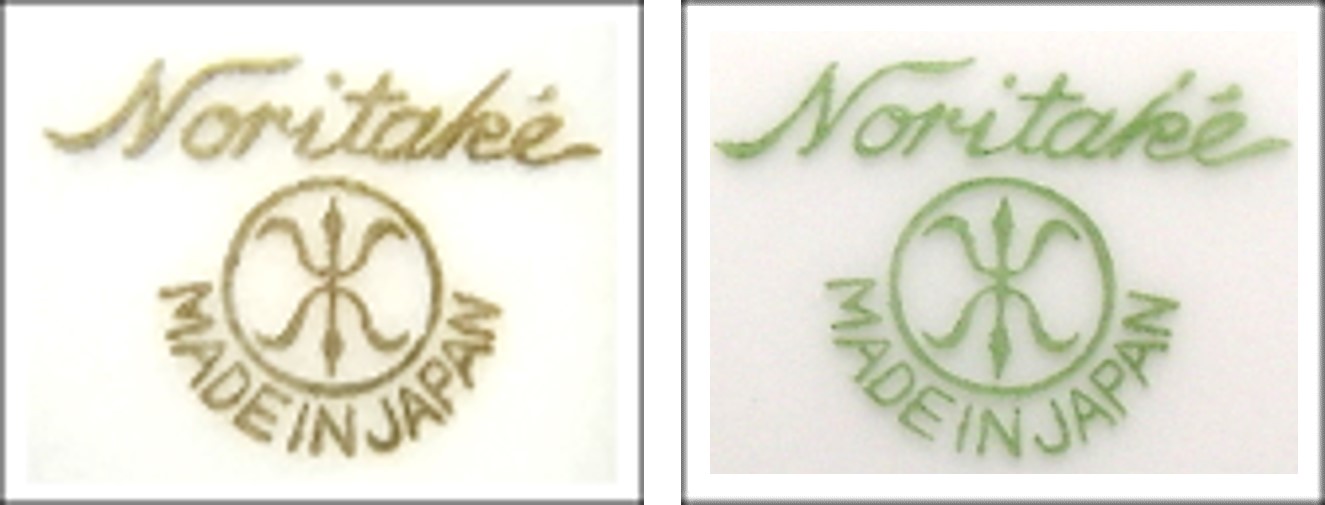
Circa 1910 to 1941, colors: green, maroon, indigo

Direct export by the group that became Noritake started around 1876. Early exports included sake flasks bought in Osaka by Okura Sonbei. American customers enjoyed them as vases.
As exports grew, the company shifted from general goods to porcelain. Around 1883, a request arrived from the New York branch to make coffee cups with handles. This was technically difficult in Japan at the time.
Okura negotiated with kilns in Kyoto and Aichi, and finally secured production in Seto at the kiln of Kawamoto Masukichi.

The first Japanese made coffee cup reportedly cost about ¥8,000 to ¥15,000 at the time and used Kutani style painting. The clay body was gray and thick, not ideal, but sales in New York were strong.
Requests followed for sugar bowls and creamers, which were also produced at Kawamoto Masukichi's kiln. The New York branch prospered.
Despite technical hurdles, the company learned to make complex shapes. Bodies were fired in Seto, decorated in Tokyo or Kyoto, and shipped from Yokohama or Kobe. This formed a complete export system.
By 1889, sales at the New York branch were five times higher than a decade earlier. The company had moved from general exports toward specialized porcelain manufacturing.
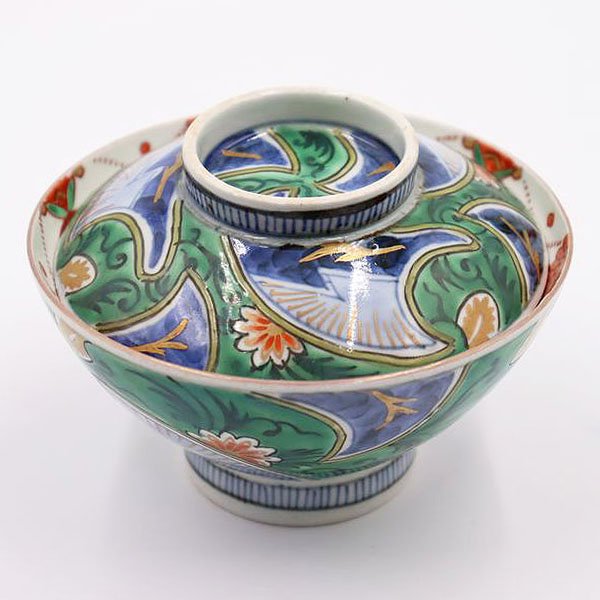
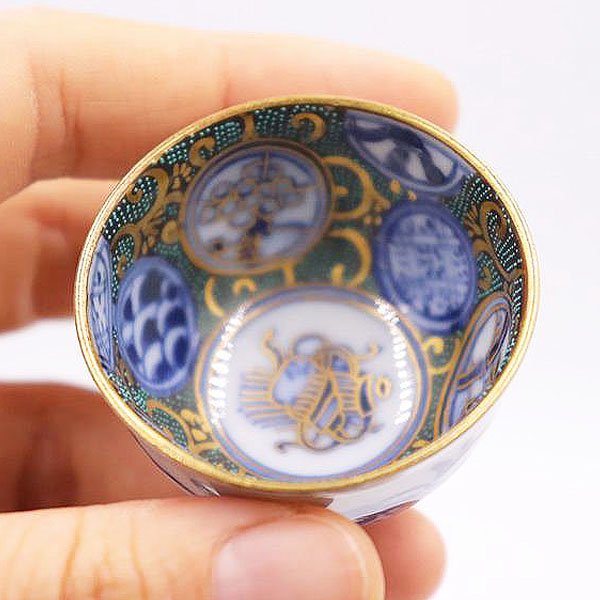
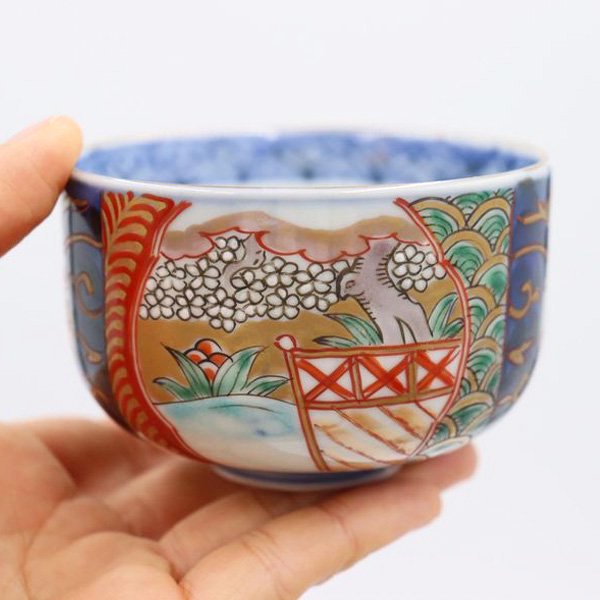
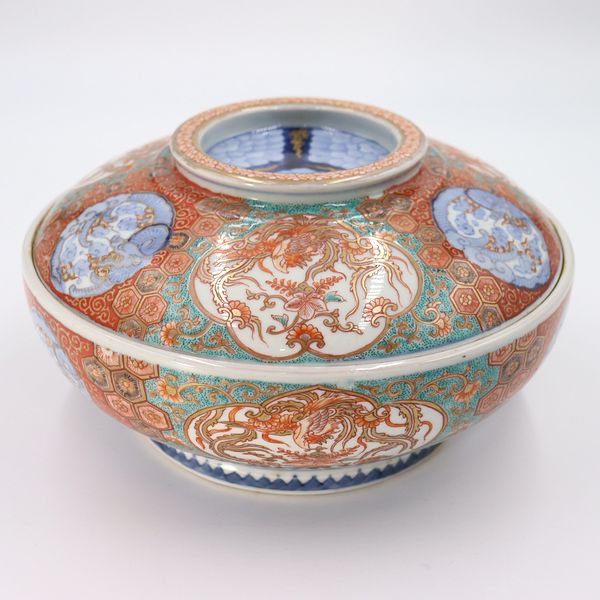
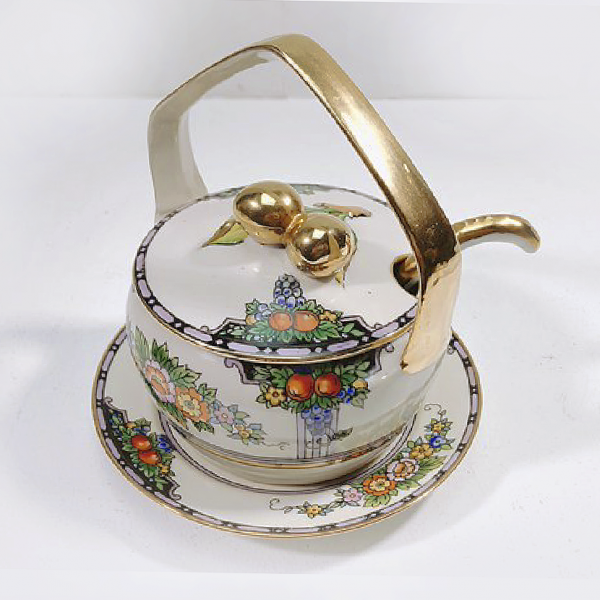
Old Noritake reflects the times in which it was made, including lifestyle changes and major art movements.
Broadly there are two groups. The first is Art Nouveau and Japonisme pieces made about 1885 to 1935 for the American market. The second is the Art Deco group from the late Taisho to early Showa years.
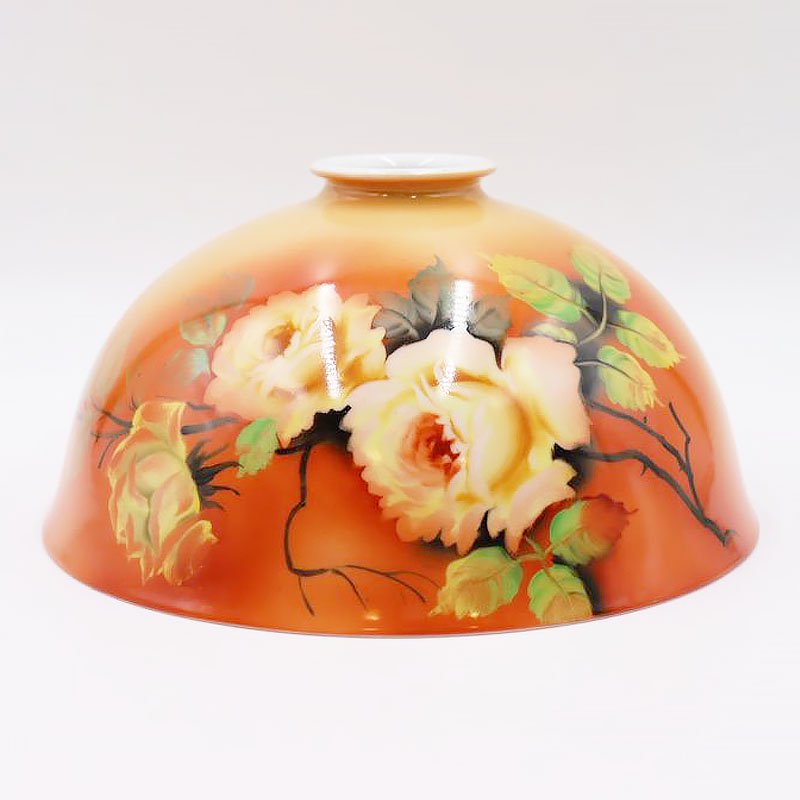
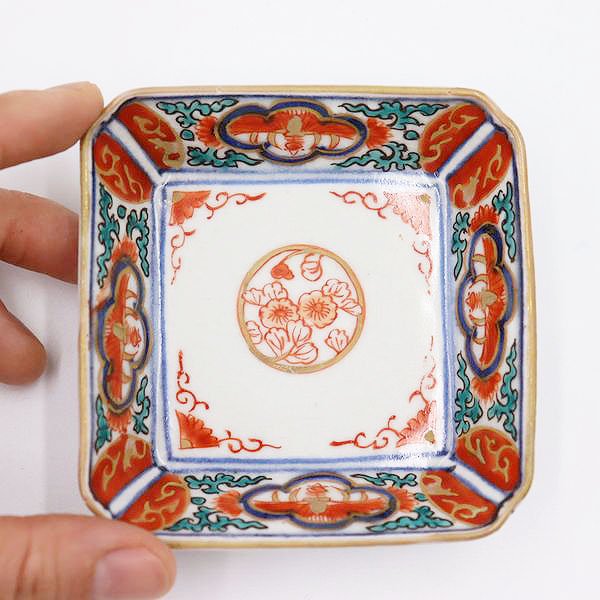
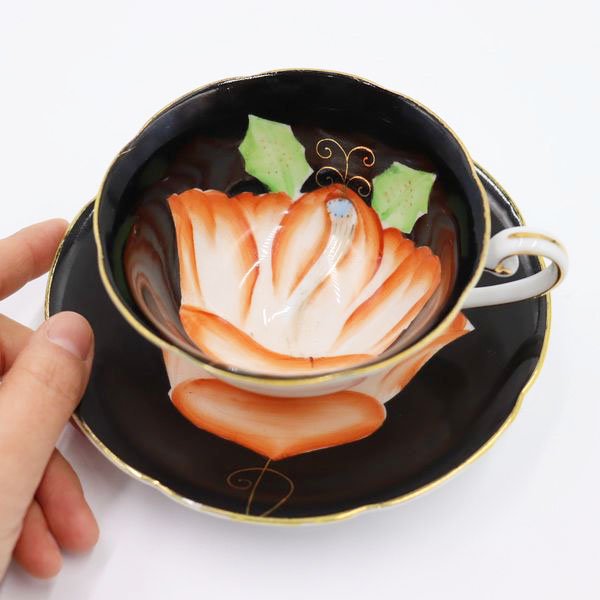
Art Nouveau favored flowing curves and organic forms. Decoration was mostly by hand using rich pigments and gold.
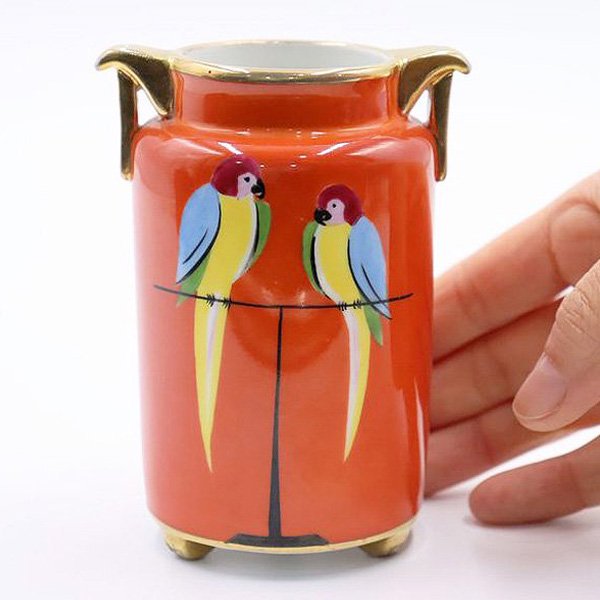
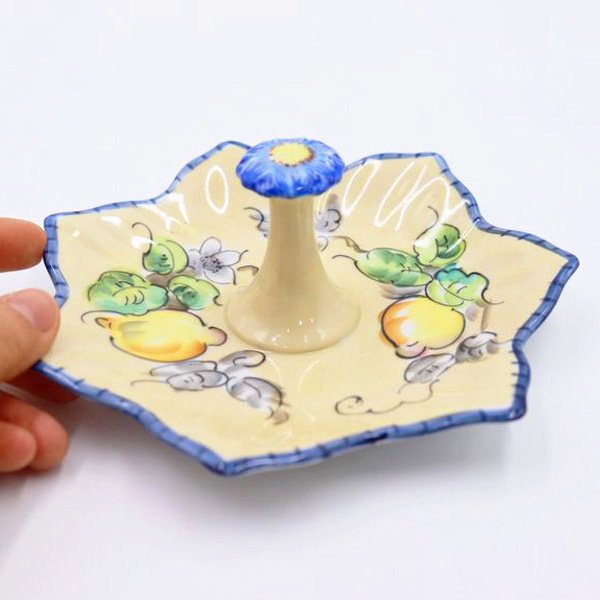
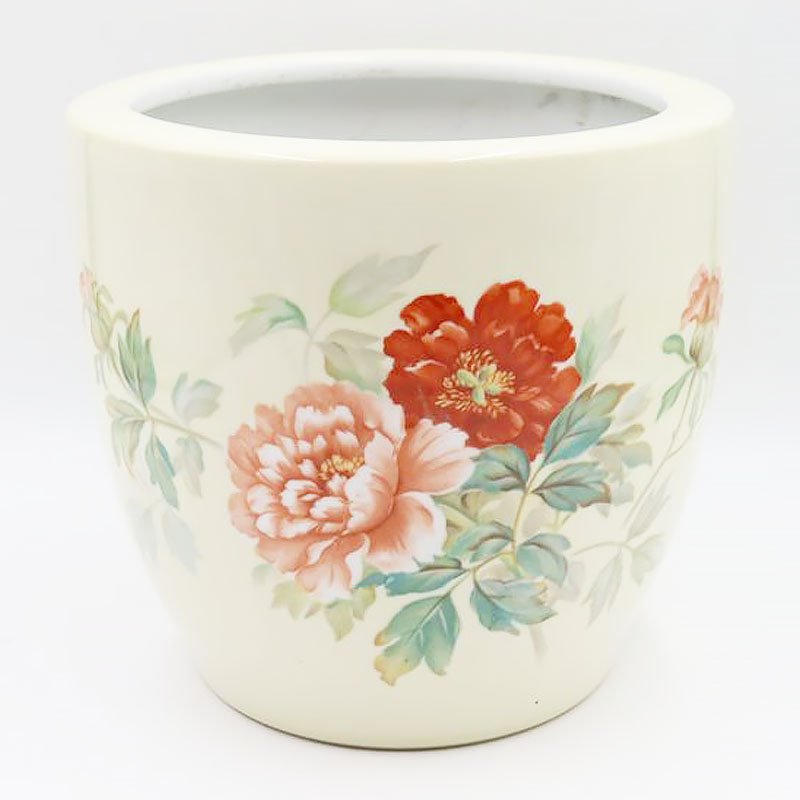
Early works up to about 1910 often show floral and tree motifs and soft pastel colors. Objects included vases and candy boxes, and later coffee pots.
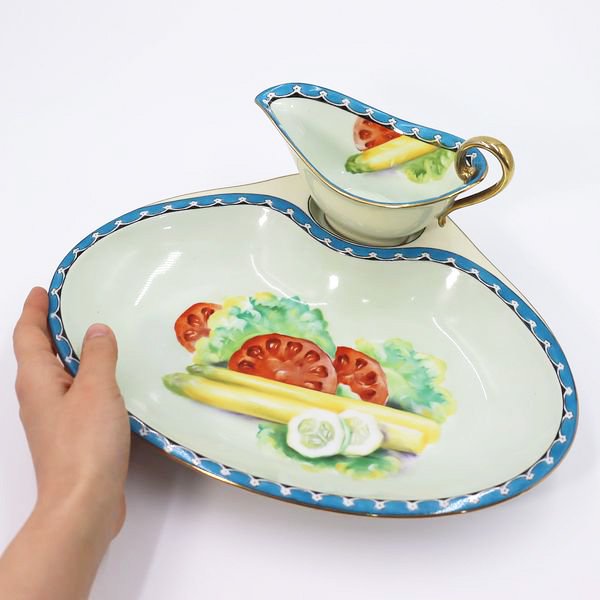
In 1914, Noritake completed its first dinner set. While most pieces were for export, some later went to the Imperial Household, the Navy Ministry, hotels, and restaurants.
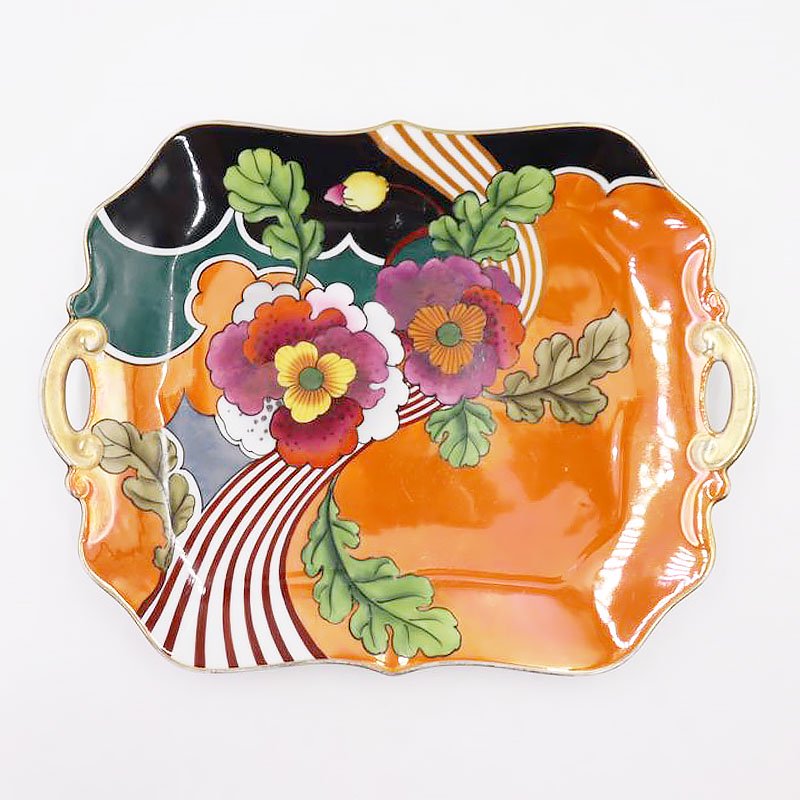
Art Deco spread worldwide in the mid 1920s after the 1925 Paris exhibition. It influenced clothing, furniture, glass, ceramics, jewelry, and more.
Noritake adopted the style early and produced about 900 Art Deco pieces between 1922 and 1931.
Many feature a shimmering luster finish similar to mother of pearl, called luster ware, which conveyed elegance and luxury.
Old Noritake refers to porcelain exported by Noritake from the late 19th century to the early World War II years. These pieces are known for fine hand painting and gold decoration. They were seldom sold in Japan but became prized as antiques in the United States.
Check the back stamp and the quality and weight. There are about 30 known marks across eras. Collectors often group them into Nippon pieces and Noritake pieces. Because imitations exist, buy from trusted sellers and compare with authenticated examples.
Mainly two. One follows Art Nouveau, about 1885 to 1935. The other follows Art Deco, roughly 1922 to 1929. Both were mainly for the American market.
Old Noritake usually means pieces made from the late 1800s to around World War II for export by Noritake. Many feature 24k or 23k gold, hand painting, and high artistic value. In English they are also called Early Noritake.
Old Noritake was mostly hand made for export in the late 19th and early 20th centuries, often with raised hand painted decoration. Modern Noritake is largely made with transfer printing and different production methods.
Last updated: 2025-11-09
江戸時代末からの創業者の努力から始まり、明治37年からは国内需要だけでなく輸出により本格的に栄えたノリタケカンパニーリミテド(旧 日本陶器)。
オールドノリタケの裏印を通じて、その魅力と価値を深堀りしていきましょう。記事半ばには裏印から年代を調べることができる保存版一覧もあります!

「昭和レトロ」という言葉を耳にしたことがありますか?この懐かしい響きに心が温かくなる方も多いでしょう。昭和時代の風情を再現し、今も多くの人々に愛され続けるこの文化は、古き良き時代への憧れと共に、日常の中に特別な彩りを添えてくれます。

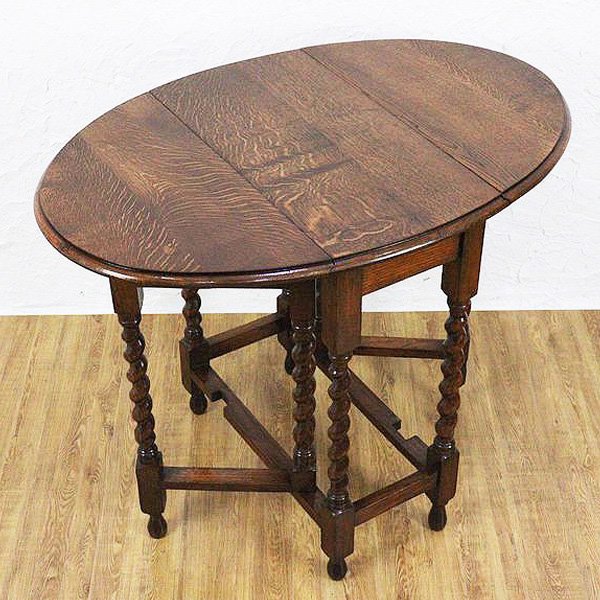
テーブル・デスク・机
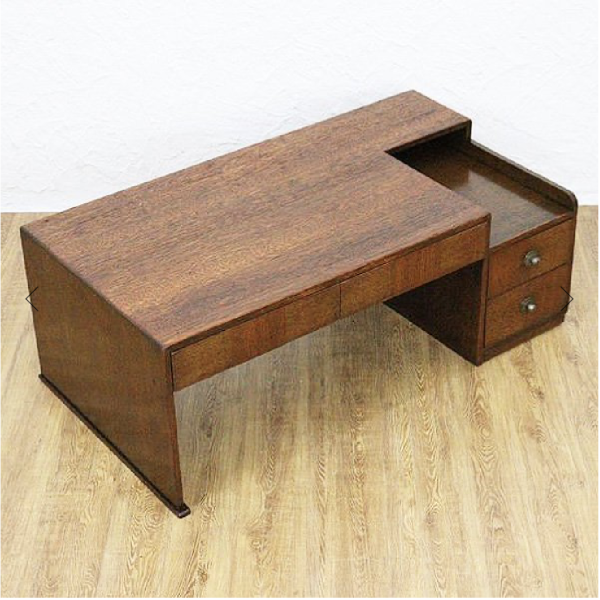
座机・文机・ちゃぶ台
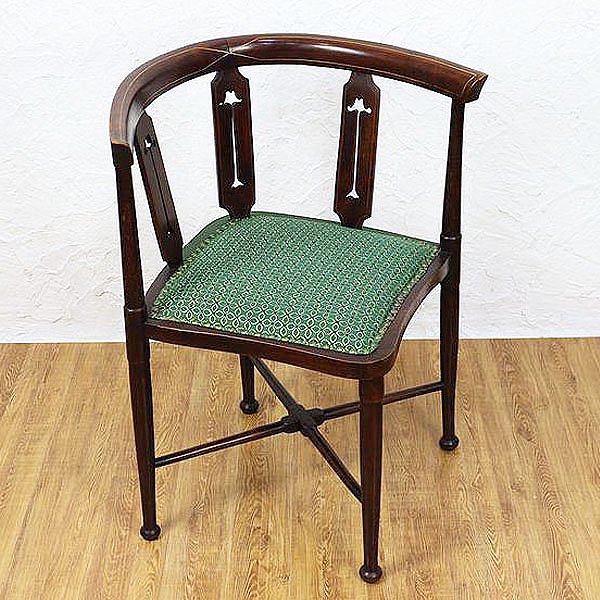
チェア・椅子・ベンチ・ソファ
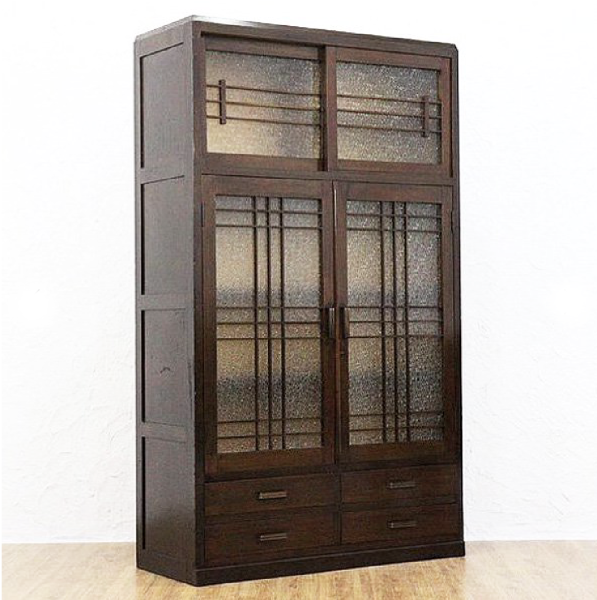
本箱・本棚
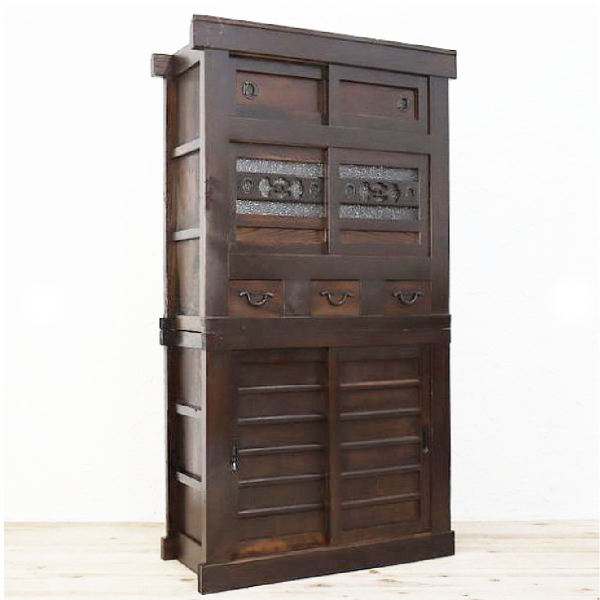
食器棚・膳棚・水屋
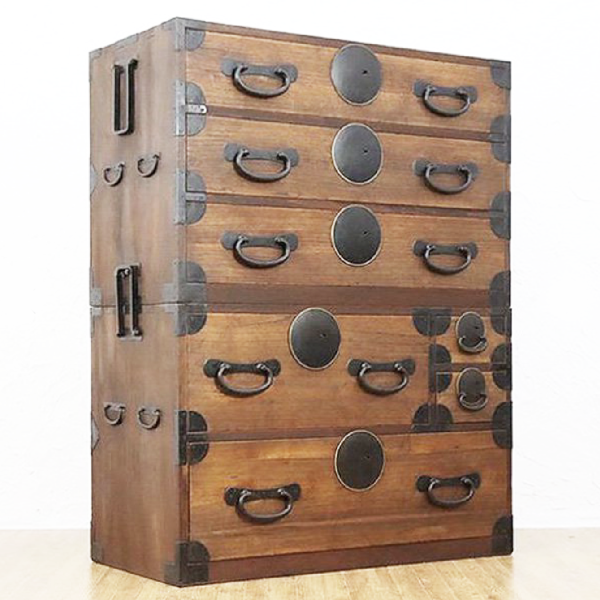
和箪笥・和風キャビネット
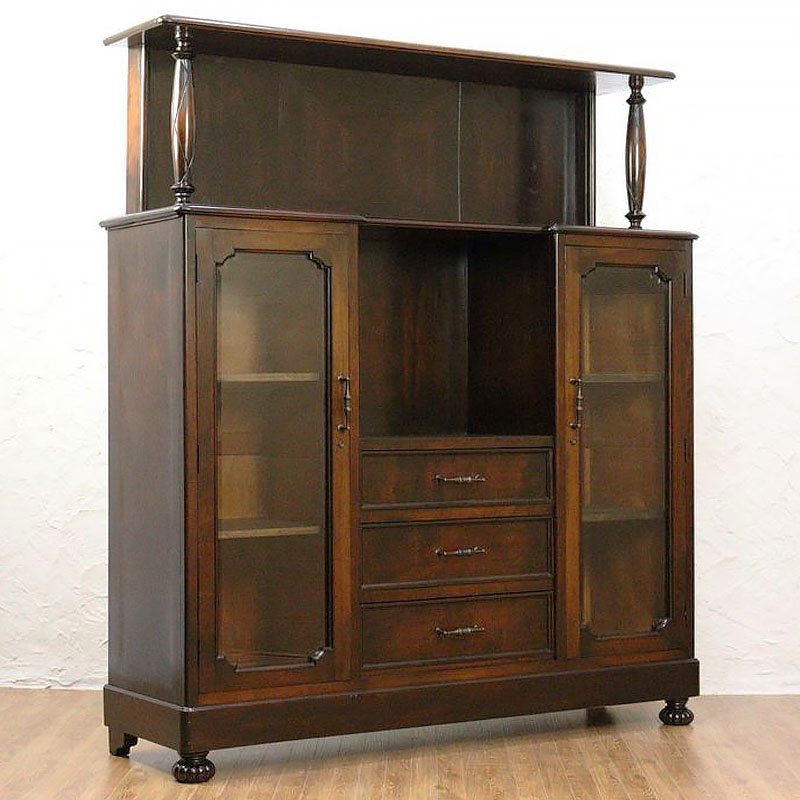
洋風キャビネット
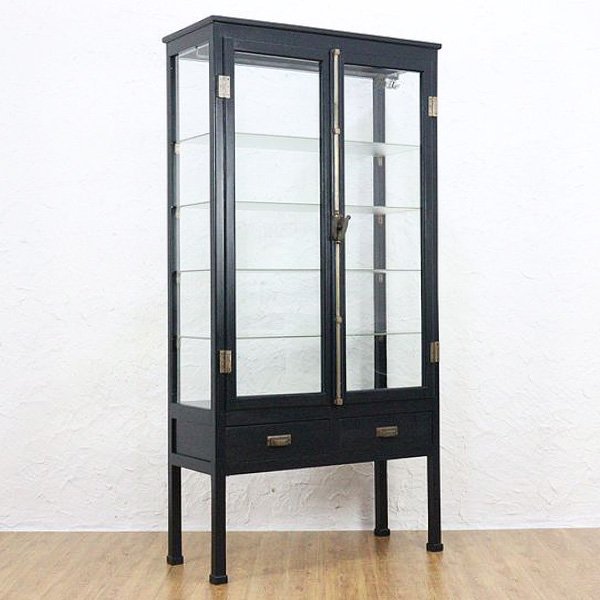
コレクションケース・飾り棚
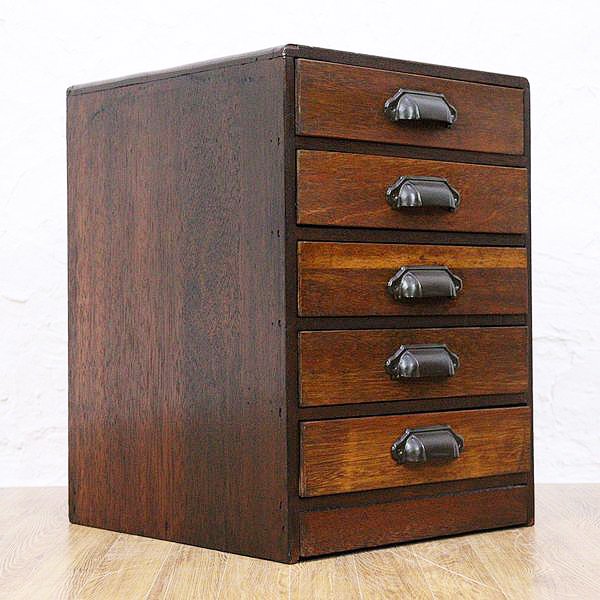
小引出し・箱・本立て
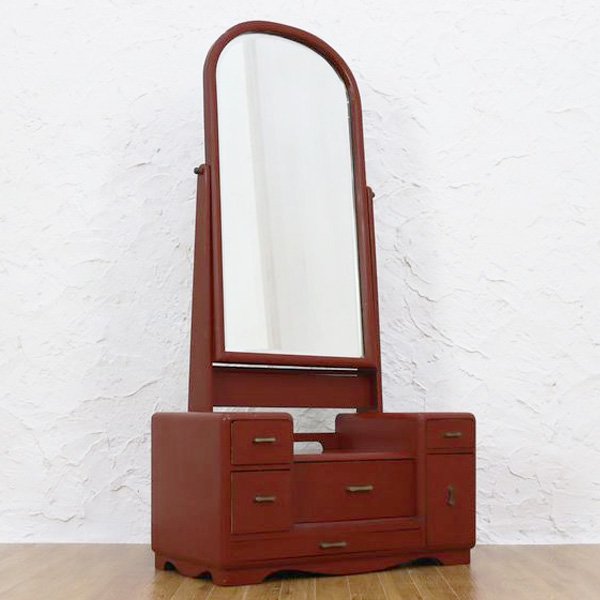
姿見・鏡台・ウォールミラー
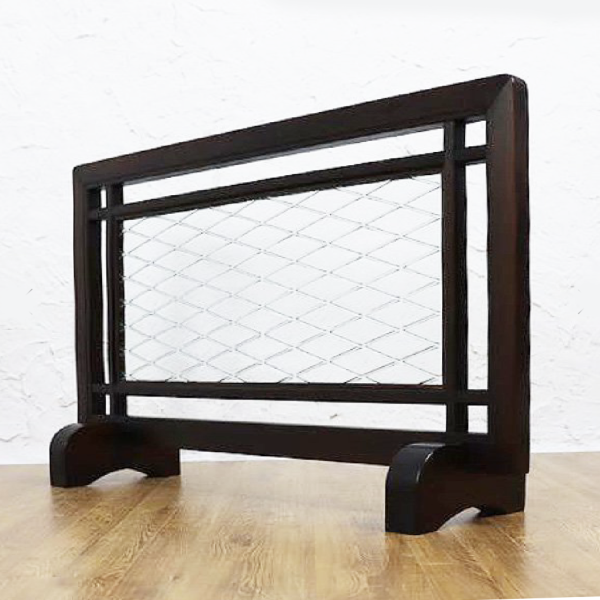
屏風・衝立・パーテーション
ドア・戸・建具
その他
| 日 | 月 | 火 | 水 | 木 | 金 | 土 |
|---|---|---|---|---|---|---|
| 1 | 2 | 3 | 4 | 5 | ||
| 6 | 7 | 8 | 9 | 10 | 11 | 12 |
| 13 | 14 | 15 | 16 | 17 | 18 | 19 |
| 20 | 21 | 22 | 23 | 24 | 25 | 26 |
| 27 | 28 | 29 | 30 |
| 日 | 月 | 火 | 水 | 木 | 金 | 土 |
|---|---|---|---|---|---|---|
| 1 | 2 | 3 | ||||
| 4 | 5 | 6 | 7 | 8 | 9 | 10 |
| 11 | 12 | 13 | 14 | 15 | 16 | 17 |
| 18 | 19 | 20 | 21 | 22 | 23 | 24 |
| 25 | 26 | 27 | 28 | 29 | 30 | 31 |
取得中です
0%